Introduction: Is Your Blood Pressure Giving You the Silent Treatment?
Hey there. Take a moment and put your hand over your heart. Feel that steady, hardworking rhythm? That’s your amazing ticker, pumping life through your veins. But what happens when that tireless worker is constantly under too much pressure? We’re talking about high blood pressure, or hypertension—often called the “silent killer” because it creeps up on you without much fuss, causing serious trouble down the line.
You might be one of the millions facing this common health challenge, and if you are, you’ve probably heard all the usual advice: “Eat better, move more, stress less.” Easier said than done, right?
But what if there was a simple, ancient practice that could actually help you tick all those boxes? Enter yoga.
Forget the images of human pretzels and people standing on their heads. This isn’t about extreme flexibility or acrobatics. Yoga, at its heart, is a powerful mix of gentle movement, mindful breathing, and deep relaxation. It’s a way to hit the reset button on your nervous system—the very system that drives up your blood pressure when you’re stressed or rushing through life.
This isn’t a replacement for your doctor or your medication! Think of yoga as your ultimate supportive partner in managing your health.
In this ridiculously long (but totally worth it!) guide, we’re going to peel back the curtain on how and why a gentle yoga practice can be a game-changer for your blood pressure. We’ll dive into the science, show you the safest and most effective poses, and, crucially, tell you exactly what to avoid. By the end, you’ll have a clear, actionable plan to start your journey toward a calmer heart and a healthier, happier you. Ready to breathe easy? Let’s get started.
Part 1: The Big Picture – How Stress and Yoga Play the Blood Pressure Game
The Science of Stress: Your Body’s “Fight or Flight” Mode
Imagine you’re being chased by a hungry tiger. Your body has an instant, brilliant reaction: the “fight or flight” response. Hormones like adrenaline and cortisol flood your system. What do these hormones do? They’re like turning up the volume on your entire body:
- Your Heart Rate Jumps: Gotta be ready to run!
- Your Blood Vessels Tighten: This sends blood where it’s needed most (muscles), but it also dramatically increases the pressure inside them.
- Your Breath Quickens: More oxygen, more energy.
This response is fantastic when you’re facing a real emergency. The problem is, in modern life, a traffic jam, a looming work deadline, or a difficult conversation can trigger this exact same, intense physical reaction. When you live in this state of constant, low-level emergency, your blood vessels stay tight, and your blood pressure stays high. That’s chronic stress, and it’s a direct highway to hypertension.
The Yoga Reversal: Hello, “Rest and Digest”
Yoga works its magic by hitting the brakes on this constant “fight or flight” (called the Sympathetic Nervous System) and activating its polar opposite: the Parasympathetic Nervous System, or the “rest and digest” mode.
Think of it like this: if stress is the gas pedal, yoga is the emergency brake and the smooth-running engine combined.
🔑 Key Mechanisms for Blood Pressure Control
- Vagal Nerve Stimulation: This is the big one! Slow, deep breathing (a core part of yoga) stimulates the Vagus nerve, which runs from your brain all the way down. When you activate this nerve, it literally tells your heart to slow down and your body to relax.
- Reduced Cortisol: Consistent yoga practice is shown to lower the levels of the stress hormone cortisol in your bloodstream. Less cortisol equals less tension and lower blood pressure over time.
- Improved Vascular Elasticity: Gentle movement and relaxation help your blood vessels become more flexible, making it easier for blood to flow through. It’s like turning a rigid hose into a pliable one—the water pressure immediately drops.
- Mindfulness and Awareness: Yoga forces you to pay attention. You become a better observer of your own body, noticing early signs of tension or anxiety before they translate into a full-blown blood pressure spike.
Part 2: The Three Pillars of Hypertension-Friendly Yoga
A truly effective yoga practice for managing high blood pressure is built on three key elements. You need all three for the best, most consistent results.
Pillar 1: Calming Poses (Asana)
The movements should be slow, gentle, and intentional. The goal is not to challenge your muscles, but to release deeply held tension and prepare the body for relaxation.
| Pose Name (The Fancy Word) | The Easy Name | Why It Works for BP | Key Modification (Safety First!) |
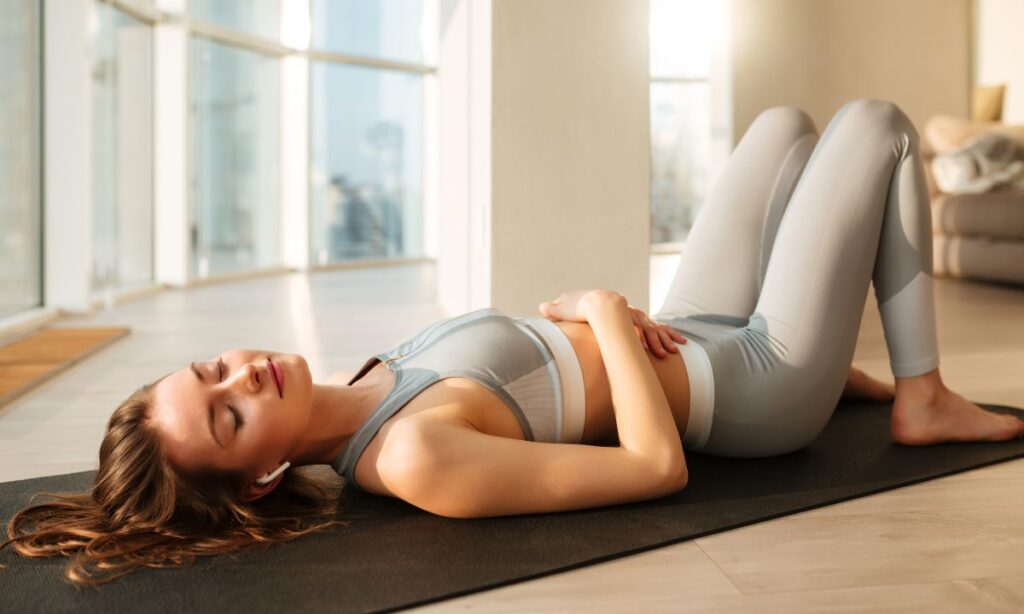
| Savasana | Corpse Pose | The ultimate rest—allows your heart rate and blood pressure to fully settle and normalize. Non-negotiable! | Use a blanket under your knees for low back comfort. |
| Balasana | Child’s Pose | Incredibly soothing for the nervous system; gently relieves back and neck tension, which often holds stress. | Rest your forehead on a cushion or stacked hands if it doesn’t reach the floor easily. |
| Setu Bandhasana | Supported Bridge Pose | A very mild, restorative heart-opener that calms the nerves and gently improves circulation. | Place a yoga block or firm pillow under your tailbone/sacrum for support, making the pose completely passive. |
| Viparita Karani | Legs-Up-The-Wall Pose (Modified) | Drains fluid from the legs and feet, calming the nervous system deeply. Crucial Note: See Warning below! | Keep your hips on the floor (don’t push too close to the wall) and only hold for 5-10 minutes. Consult your doctor first! |
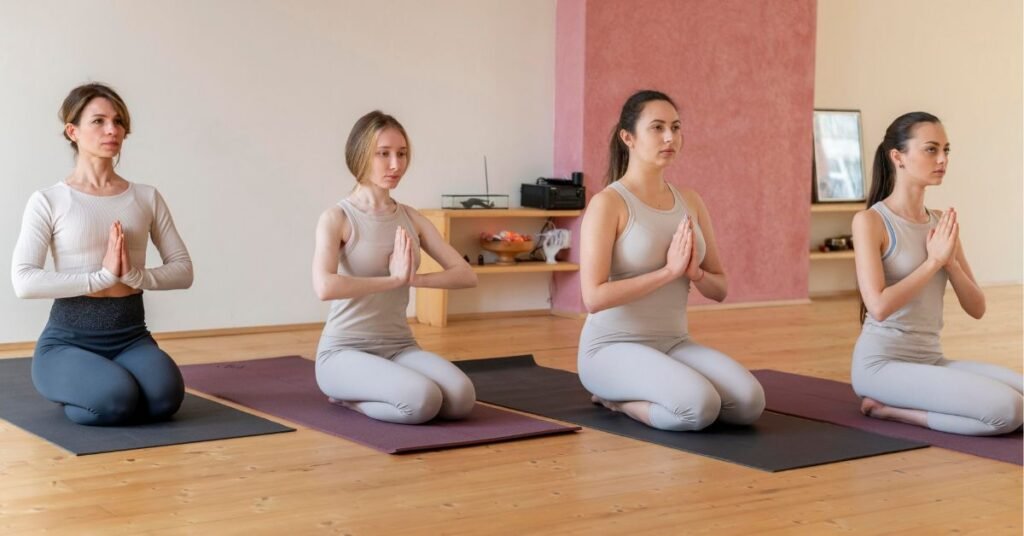
| Sukhasana | Easy Pose | The perfect, stable seat for focusing on your breath and meditation; promotes spinal lengthening and calmness. | Sit on the edge of a folded blanket or cushion to keep your hips higher than your knees. |
| Paschimottanasana (Supported) | Seated Forward Bend | Calms the brain and relieves stress, but must be done gently and with support to avoid a BP spike. | Use a bolster or pillow across your thighs and rest your forehead on it. Keep a gentle fold, not a deep stretch. |
Pillar 2: Deep Breathing (Pranayama)
This is arguably the most important tool you have. Breath control directly impacts the Vagus nerve and your heart rate. The secret is to make your exhale longer than your inhale. This signals safety to your nervous system.
The Gold Standard Techniques:
- Extended Exhale Breathing (Your Best Friend):
- Inhale slowly and gently through your nose for a count of 4.
- Exhale even slower and more completely through your nose for a count of 6 (or even 8, if comfortable).
- The feeling: It should feel natural and effortless, like a gentle sigh. Do this for 5-10 minutes daily.
- Nadi Shodhana (Alternate Nostril Breathing) – The Balancer:
- A fantastic technique for calming the mind and balancing the left and right sides of your brain (nervous system).
- Keep it Gentle: No forceful or fast breathing. The goal is rhythm, not volume.
- Bhramari Pranayama (Humming Bee Breath):
- Close your ears gently with your index fingers.
- Inhale deeply through your nose.
- Exhale slowly, making a gentle, low-pitched “Mmmm” sound that resonates in your skull.
- The feeling: The vibration is incredibly soothing and is known to boost nitric oxide production, which helps relax blood vessels.
Pillar 3: Mindful Meditation and Relaxation
The final piece of the puzzle is training your mind to be still. Meditation doesn’t have to be complicated.
- Focus on the Breath: Simply sit comfortably and notice the physical sensation of your breath coming in and going out. When your mind wanders (and it will!), gently guide your attention back to the breath.
- Body Scan: While lying in Savasana, bring your awareness to each part of your body, starting with your toes and moving up to your head. Consciously release any tension you find in your jaw, shoulders, or belly.
- Loving-Kindness Practice: Silently repeat phrases like, “May I be peaceful. May I be healthy. May my heart be calm.” This simple practice shifts your mind state from anxious worry to gentle acceptance.
Part 3: 🛑 Critical Warnings! Poses to AVOID with High Blood Pressure
This is the most crucial section to understand. Not all yoga is created equal, and some common poses can be dangerous if you have hypertension because they cause a sudden, intense rush of blood to the head.
ALWAYS consult your cardiologist or physician before starting any new exercise program, especially yoga for high blood pressure!
The “No-Go” List: What to Skip Entirely
| Pose Category | Examples | Why You Must Avoid Them |
| Full Inversions | Headstand (Sirsasana), Shoulderstand (Sarvangasana), Plow Pose (Halasana) | These place the head below the heart with maximum elevation of the legs, causing a dangerous, rapid spike in blood pressure in the brain. |
| Fast/Forceful Breathing | Bellows Breath (Bhastrika), Skull Shining Breath (Kapalabhati) | These are intense, rapid-fire breathing techniques that are designed to energize and heat the body—they can significantly and rapidly raise your heart rate and blood pressure. |
| Deep Backbends (High Intensity) | Wheel Pose (Chakrasana), Full Camel Pose (Ustrasana) | These require significant exertion, which can spike blood pressure. They also dramatically compress the spine and can be very stimulating, which is the opposite of what we want. |
| Hot Yoga | Bikram, Hot Vinyasa | Practicing in a heated room (usually over 100°F) puts an intense strain on the cardiovascular system as your body works overtime to cool itself. This can be very dangerous for hypertension. |
The “Be Careful and Modify” List
These poses are common, but they need to be handled with extreme care or modified heavily:
- Downward-Facing Dog (Adho Mukha Svanasana): This is a mild inversion. Modification: Rest your forehead on a yoga block or two stacked blocks. Don’t hold it for a long time. If you feel dizzy or lightheaded, skip it and opt for Child’s Pose instead.
- Standing Forward Folds (Uttanasana): Going deep can cause a head-rush when you stand up. Modification: Bend your knees generously and focus on lengthening your spine rather than touching your toes. When you come up, press your hands to your thighs and rise slowly with a flat back.
- Intense Twists: Twisting too aggressively can restrict blood flow and lead to a temporary spike in pressure. Modification: Keep all twists gentle. Focus on lengthening the spine vertically as you twist, and never twist so deep that your breathing is compromised.
Part 4: Your Daily Blueprint – A Simple 20-Minute Routine
Consistency is everything. A 20-minute daily practice is far more effective than a two-hour class once a month. This gentle routine is safe for most people with controlled hypertension, but remember to get that doctor’s clearance first!
A 20-Minute “Calm Heart” Sequence
- Centering (5 Minutes):
- Sit comfortably in Easy Pose (Sukhasana) or in a chair, feet flat on the floor.
- Close your eyes and practice Extended Exhale Breathing (Inhale 4, Exhale 6).
- Bring a hand to your belly and feel it rise and fall. Let go of your “to-do” list.
- Gentle Warm-up (5 Minutes):
- Cat-Cow Stretch (Marjaryasana-Bitilasana): Move slowly on your hands and knees, flowing with your breath. Inhale for Cow (arch the back), Exhale for Cat (round the spine).
- Child’s Pose (Balasana): Hold for 1 minute, letting your forehead rest on the floor or a cushion.
- Core Poses (5 Minutes):
- Bridge Pose (Setu Bandhasana) – Supported: Lie on your back, lift your hips just enough to slide a block under your lower back. Rest here for 1-2 minutes.
- Seated Gentle Twist (Ardha Matsyendrasana Modification): Sit tall, gently twist to one side for 3 breaths, then switch. Keep the twist very mild.
- Cool-Down & Integration (5 Minutes):
- Legs-Up-The-Wall Pose (Viparita Karani Modification): Lie with your legs up the wall, a few inches away from the wall. If you feel any pressure in your head, stop immediately and move to the next pose.
- Corpse Pose (Savasana): Lie flat on your back, palms up, eyes closed. Allow your body to fully relax. Stay here for a minimum of 3 minutes (or longer if you have time!).
Part 5: Beyond the Mat – The Lifestyle Hug
Yoga isn’t just an hour on the mat; it’s a way of life. For yoga to truly work its magic on your blood pressure, you have to support it with everyday good habits.
The Supporting Cast of Lifestyle Changes
- Eat for a Happy Heart (The DASH Diet): Think less salt, less processed food, and more potassium-rich goodness like bananas, spinach, and beans. A low-sodium diet is your best friend.
- Sleep is Medicine: Chronic lack of sleep is a massive stressor on your heart. Aim for 7-9 hours of quality, restful sleep. Your nighttime blood pressure drop (called “dipping”) is essential for heart health.
- Move Your Body (But Keep it Moderate): Aerobic exercise like brisk walking, swimming, or cycling is vital. Aim for 30 minutes of moderate activity most days. Combine this with the deep relaxation of your yoga practice—they work hand-in-hand!
- Know Your Numbers: Keep a log of your blood pressure readings, both before and after your yoga practice (and at other times of the day). Seeing the numbers drop is an incredible motivator and ensures you are practicing safely.
Conclusion: Taking the Pressure Down, One Breath at a Time
If you’ve made it this far, you’re not just looking for a quick fix—you’re looking for a sustainable, whole-body approach to managing your health. That is a truly powerful and admirable step!
High blood pressure often feels like something that happens to you, a scary number on a machine that you can’t control. But yoga hands you back the reins. It teaches you that with every single inhale and every single, longer exhale, you have the power to communicate a message of calm and safety to your heart.
It’s a journey, not a sprint. Don’t worry about being perfect. Don’t worry about what your neighbour’s yoga looks like. Just commit to showing up for yourself, even if it’s just five minutes of deep breathing in your chair today. Your heart will thank you for it.
Go easy, be kind to yourself, and remember: your breath is your remote control for your nervous system. Start tuning in today.
Disclaimer: I am an AI assistant and not a medical professional. This information is for educational purposes only and should never replace the advice, diagnosis, or treatment from a qualified healthcare provider. Always consult with your doctor, especially your cardiologist, before starting or changing any exercise routine, particularly if you have a medical condition like high blood pressure.

Theo is a dedicated yoga instructor with over six years of experience guiding individuals toward balance, strength, and inner peace through the transformative practice of yoga.As the founder of Pure Yoga Vibes, Theo offers expert insights, inspiring routines, and a wealth of knowledge to support your wellness journey. Committed to fostering a space for growth and mindfulness, Theo’s mission is to make yoga accessible, enjoyable, and meaningful for everyone.
For inquiries or collaborations, feel free to reach out at contact@pureyogavibes.com.