Introduction: Breathe First, Fix Later
Let’s face it: life is loud.
Your phone buzzes, your to-do list grows longer, and your brain? It just won’t stop spinning. We’ve all been there—lying in bed, trying to fall asleep, while your mind replays that one awkward moment from 10 years ago… on loop.
But here’s the secret weapon hiding right under your nose: your breath.
No yoga mat? No downward dog? No problem. In this post, we’re diving into five super easy breathing exercises that you can do anywhere—at your desk, in your car (not while driving, please), or even hiding in the bathroom during a family gathering (we won’t judge).
These exercises don’t need any fancy poses or spiritual chants. Just you, your lungs, and a little focus.
So if your brain feels like a browser with 47 tabs open, and one of them is playing music you can’t find—keep reading. Help is on the inhale.
Why Focus on Breathing?
Before we get into the actual exercises, let’s answer the big question:
Why is breathing such a big deal?
You’ve been doing it since birth, right? Why should you suddenly pay attention to something your body does automatically?
Here’s Why Breathing Matters:
- It’s your built-in stress switch: Breathing is the only automatic body function you can consciously control. That means you can use it to slow your heart rate, calm your nerves, and lower anxiety on command.
- It brings you to the present: You can’t breathe in the past or the future. Focusing on your breath pulls your brain out of the mental tornado and anchors you in the now.
- It’s free and portable: No gym, no app, no equipment. Just lungs. Even if you forgot your water bottle or your sanity, your breath is always with you.
How to Get Started (Spoiler: It’s Really Simple)
Before you jump in, keep these quick tips in mind:
- Find a quiet(ish) space if you can. But don’t worry if it’s not peaceful. You can breathe through chaos, too.
- Sit or lie down comfortably—whatever feels right.
- Close your eyes if that helps you focus (and if you’re not at a staff meeting).
- Be kind to yourself. If your mind wanders, that’s totally normal. Gently bring it back, no guilt.
1. Box Breathing (Also Known as “Calm in a Cube”)
Let’s start with a classic that even Navy SEALs use to stay chill in high-stress moments.
What Is It?
Box breathing is all about structure. You breathe in, hold, breathe out, and hold again—all for the same amount of time. Like the sides of a square.
How to Do It:
- Inhale for 4 seconds
- Hold your breath for 4 seconds
- Exhale for 4 seconds
- Hold again for 4 seconds
Repeat this cycle 4-6 times.
Why It Works:
- It regulates your nervous system like a thermostat for stress.
- It gives your busy brain something to focus on.
- It’s surprisingly satisfying. Like finishing a jigsaw puzzle.
When to Use It:
- Before a big presentation
- During a panic spiral
- While trying not to scream in traffic
2. 4-7-8 Breathing (The Sleep Trick)
Dr. Andrew Weil made this one famous, and many people swear by it for falling asleep faster.
What Is It?
This pattern slows everything down, especially your racing thoughts.
How to Do It:
- Inhale through your nose for 4 seconds
- Hold your breath for 7 seconds
- Exhale slowly through your mouth for 8 seconds (like you’re blowing out birthday candles… gently)
Repeat for 4 rounds. Work your way up to 8 rounds over time.
Why It Works:
- Holding your breath helps your body absorb more oxygen.
- The long exhale calms your nervous system.
- It’s like hitting the “off” button on your brain.
When to Use It:
- At bedtime
- After a stressful phone call
- When you feel overwhelmed but can’t explain why
3. Bumblebee Breath (Yes, Really)
Okay, this one sounds silly—but trust us, it works. And it feels surprisingly good.
What Is It?
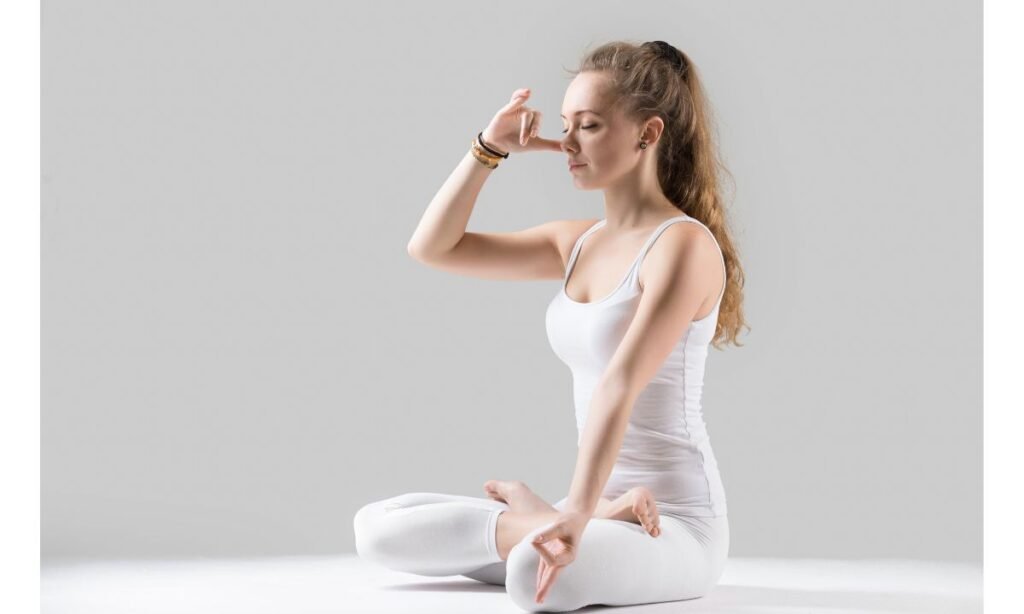
Also called Bhramari in yoga traditions, Bumblebee Breath uses gentle humming to create vibration and focus.
How to Do It:
- Sit comfortably and close your eyes.
- Inhale through your nose.
- As you exhale, hum like a bee—a low, gentle “mmmmmm” sound.
- Feel the vibration in your face and chest.
Repeat for 5-10 rounds or until you feel like a calm little bee.
Why It Works:
- The sound and vibration calm the vagus nerve (your inner “peace switch”).
- It helps release frustration and anxiety.
- You can actually feel the tension melt away.
When to Use It:
- When you’re anxious or angry
- During emotional overload
- Before a creative task to clear mental fog
⚠️ Pro tip: maybe skip this one in public unless you’re okay with getting a few side-eyes. Or own it. You do you.
4. The Sighing Breath (Yes, You’re Allowed to Sigh)
Ever notice how you sigh when you’re stressed or relieved? It turns out, sighing is nature’s reset button.
What Is It?
This one mimics your natural sigh reflex—but with intention.
How to Do It:
- Take a deep breath in through your nose
- Without fully exhaling, take a second quick inhale (like a topping-off breath)
- Then exhale fully through your mouth with a long, audible sigh
Repeat 5-10 times.
Why It Works:
- It helps fully inflate and deflate your lungs.
- The double inhale triggers a deep nervous system release.
- It physically shakes off stress. (Bonus: it feels dramatic in the best way.)
When to Use It:
- After getting bad news
- In the middle of a busy day
- When you need a moment to gather yourself
5. Counting Breath (For When You Need a Distraction)
Ever had a thought spiral so intense you forgot where you were going? (We’ve all walked into a room and forgotten why.) This one’s for that.
What Is It?
A simple way to anchor your mind by counting each breath.
How to Do It:
- Inhale slowly and say “one” in your mind
- Exhale slowly and say “two”
- Inhale again and say “three”
- Keep going until you reach ten
- Start over at one
If you lose track, just gently start again. No points deducted.
Why It Works:
- It focuses your brain on something simple
- It creates a rhythm that’s naturally calming
- It stops you from chasing every random worry thought
When to Use It:
- During meditation or prayer
- While waiting (for your turn, a reply, or a miracle)
- Whenever your brain won’t shut up
Breathing FAQ: You Asked, Your Lungs Answered
Q: Can I combine these exercises?
Absolutely! Try starting with a few sighing breaths, then ease into Box Breathing or 4-7-8.
Q: How long should I do them?
Even 2-3 minutes can work wonders. But aim for 5-10 minutes if you can. You don’t need an hour-long session to feel better.
Q: Do I have to close my eyes?
Nope. But closing your eyes can help you focus, especially if you’re easily distracted by shiny things.
Q: What if I feel dizzy?
That means you’re probably breathing too fast or too deeply. Take a break, sit down, and breathe naturally.
A Breather’s Final Word: Don’t Wait for a Breakdown
Here’s the truth: you don’t have to wait until you’re completely frazzled to use these exercises.
Think of mindful breathing like brushing your teeth. You don’t wait for a cavity—you do it to stay clean and healthy.
So breathe before the stress hits. Before the spiral. Before you snap at your coworker for breathing too loudly.
You’ve got this. Your breath is always there—quiet, steady, waiting for you to come back home to yourself.
Quick Recap: Your 5 Go-To Breathing Exercises
| Exercise | What It Does | Best For |
|---|---|---|
| Box Breathing | Resets your stress | Big events, anxiety, focus |
| 4-7-8 Breathing | Slows everything down | Sleep, overwhelm |
| Bumblebee Breath | Soothes your nervous system | Frustration, noise overload |
| Sighing Breath | Physically releases tension | Quick resets, emotional moments |
| Counting Breath | Distracts your busy brain | Overthinking, waiting, calming down |
Final Thoughts: You Already Have What You Need
You don’t need to climb a mountain, join a silent retreat, or become a certified yogi to calm your mind.
You just need to breathe—on purpose.
Try one of these exercises today. Or bookmark this post and come back when life gets loud. And remember, no matter what’s happening around you, you can always come back to your breath.
It’s not magic.
It’s biology.
And it works.
Need More Calm?
Let me know if you’d like a printable version of these exercises or a free audio guide you can use on the go. You’re not alone in this.
Now, go ahead.
Inhale.
Exhale.
You’re doing great.

Theo is a dedicated yoga instructor with over six years of experience guiding individuals toward balance, strength, and inner peace through the transformative practice of yoga.As the founder of Pure Yoga Vibes, Theo offers expert insights, inspiring routines, and a wealth of knowledge to support your wellness journey. Committed to fostering a space for growth and mindfulness, Theo’s mission is to make yoga accessible, enjoyable, and meaningful for everyone.
For inquiries or collaborations, feel free to reach out at contact@pureyogavibes.com.