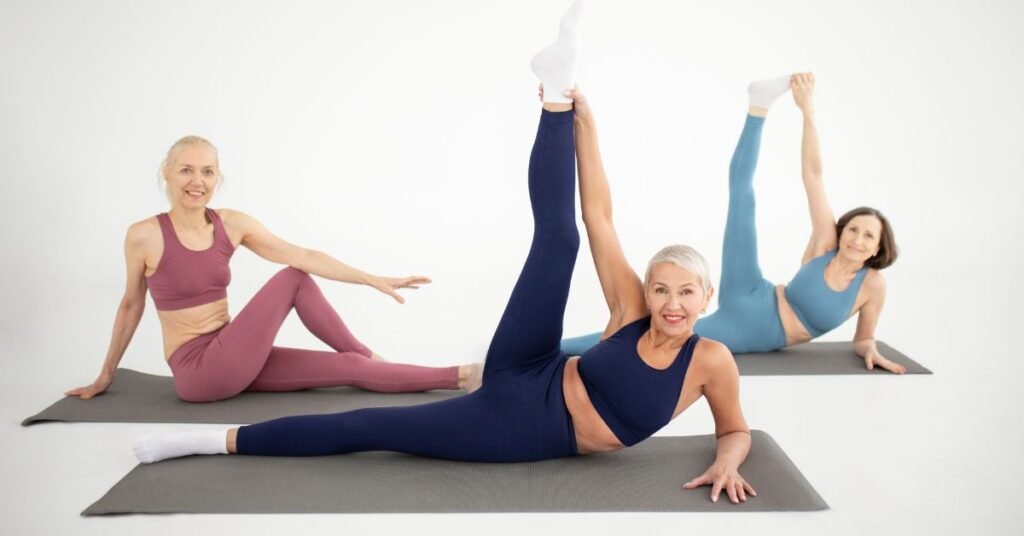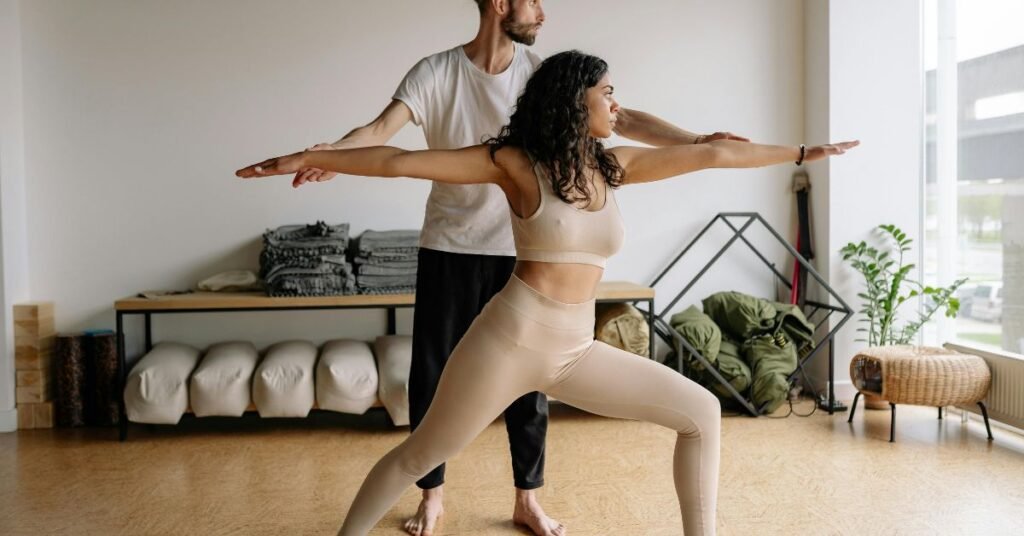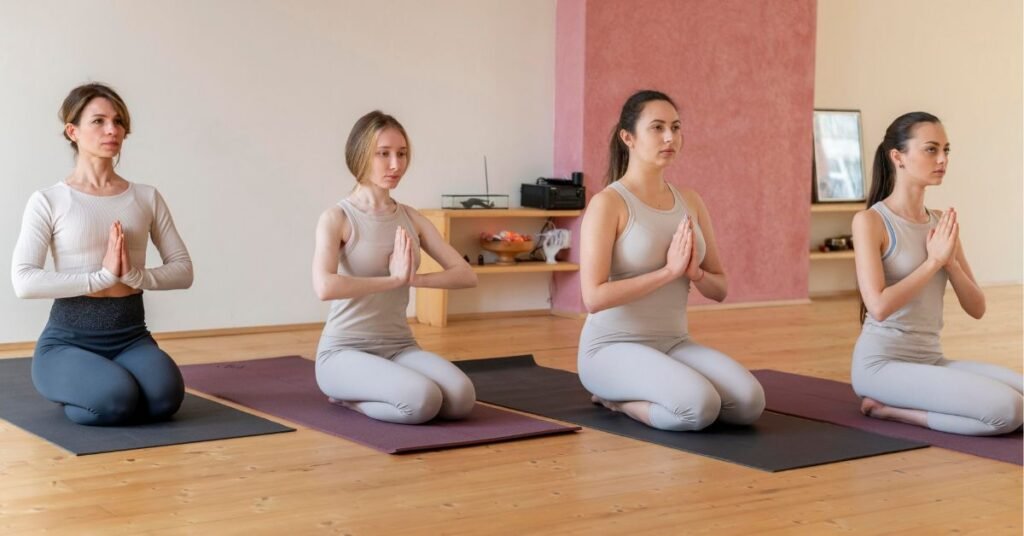
Have you ever felt like you’re constantly fighting a losing battle? You know, the one where your blood sugar levels are on a relentless, up-and-down roller coaster, and you’re just desperately trying to hold on? If you’re living with diabetes—Type 1 or Type 2—you know exactly what I’m talking about. It’s exhausting. It’s stressful. And frankly, sometimes it just feels unfair.
We talk about diet, we talk about medication, and we talk about cardio exercise, but there’s a quiet, ancient powerhouse of a tool that often gets overlooked: Yoga.
Now, before you picture yourself twisted into a human pretzel or having to chant mystical phrases in a too-hot room, hit the pause button. That’s a Hollywood myth. The truth is, yoga isn’t just about flexibility or looking zen in an Instagram photo. It’s one of the most practical, powerful, and accessible forms of movement and stress-reduction available to us, and it can be an absolute game-changer in your diabetes management plan.
This isn’t about curing diabetes—we know that’s not the promise. This is about making your daily life easier, your blood sugar more stable, and your body more responsive to the tools you already use. It’s about getting off the blood sugar roller coaster and finding a calm, steady path forward.
In this deep dive, we’re going to look past the clichés and get down to the nuts and bolts of why yoga works, which poses make the biggest difference, and how you can actually weave this practice into your busy, messy, real life.
Get comfortable, take a deep, slow breath, and let’s explore how the simple act of rolling out a mat can help you take back control of your health.
🧐 The Big Question: How Does Bending and Breathing Actually Help My Blood Sugar?
If you’re a science-minded person, you might be thinking, “That’s nice, but how does this hippie stretching thing actually affect my pancreas?” That is a brilliant question, and the answer lies in understanding the complex connection between your mind, hormones, and metabolism.
Diabetes, at its core, is a metabolic disorder where your body either doesn’t make enough insulin or doesn’t use the insulin it makes very well (that’s called insulin resistance). Yoga attacks both of these problems from multiple, interconnected angles.
1. ⚔️ The War on Stress (Your Blood Sugar’s Arch-Nemesis)
This is perhaps the single most important way yoga helps.
Living with a chronic condition like diabetes is inherently stressful. The constant checking, counting, calculating, and worrying can keep your body in a state of low-grade panic—or what scientists call a “fight-or-flight” response.
When you’re stressed, your body releases hormones like cortisol and adrenaline. Think of these as emergency fuel injectors. They tell your liver to dump stored glucose (sugar) into your bloodstream, giving you a quick burst of energy to run away from the imaginary lion.
- The Problem: In modern life, that “lion” is often just traffic, a deadline, or a high blood sugar reading. Your body dumps the sugar, but you don’t use it up by running, so your blood sugar stays high.
- The Yoga Solution: Regular yoga—especially the breathing (Pranayama) and meditation parts—is like a big, soothing hug for your nervous system. It activates your Parasympathetic Nervous System (the “rest and digest” system). When your body shifts into this calmer state, cortisol levels drop dramatically. Less cortisol equals less unnecessary glucose being dumped into your blood. This alone can make a huge, noticeable difference in your daily glucose readings.
2. 💪 Boosting Insulin Sensitivity: Making Your Medicine Work Better
Insulin sensitivity is a fancy way of saying: “How well do your cells listen to the insulin hormone?” For most people with Type 2 diabetes, the cells are hard of hearing. Insulin is knocking, but the door stays shut, and sugar hangs out in your bloodstream.
Yoga addresses this in two primary ways:
- Physical Activity: Yoga is a form of exercise! When you move and hold poses, your muscles need energy. They start pulling glucose out of your bloodstream and into the cells. Regular, consistent movement trains your muscle cells to be more sensitive to insulin.
- Targeted Compression and Decompression: Many yoga poses, especially twists and forward bends, gently compress and then release the abdominal organs, including the pancreas. While research is still exploring the exact mechanism, the theory is that this gentle ‘massage’ may help stimulate the organs and improve blood flow, supporting their function, including the production and flow of insulin.
3. ⚖️ Weight Management and Metabolism
We know that carrying excess weight, especially around the middle, increases insulin resistance. While yoga might not burn calories like a high-intensity cardio session, it plays an invaluable supporting role:
- Mindful Eating: One of the most beautiful side effects of a consistent yoga practice is mindfulness. You become more aware of your body, your hunger cues, and your emotions. This awareness is a powerful tool against emotional eating and mindless snacking—the silent saboteurs of any diet plan. You start to listen to what your body truly needs, not what your stressed brain craves.
- Building Lean Muscle: Poses that require strength (like Warrior II or Plank) build lean muscle. Muscle tissue is metabolically active and acts like a great big glucose sponge, soaking up blood sugar. The more muscle you have, the better your body processes sugar.
🩺 The Proof is in the Poses: What the Science Says
Don’t just take my word for it. In the last few decades, a significant body of research has started to back up what yogis have known for centuries. When scientists look at people with Type 2 diabetes who regularly incorporate yoga into their lives, they find compelling evidence of positive change:
- Lower HbA1c Levels: Several studies have shown that consistent yoga practice leads to a meaningful drop in HbA1c, which is your average blood sugar over the last 2-3 months. This is the gold standard measurement for successful long-term diabetes management!
- Improved Lipid Profiles: Yoga can help manage high blood pressure and improve cholesterol levels—essential benefits for people with diabetes, who have a much higher risk of heart disease.
- Better Quality of Life: Beyond the numbers, people report feeling less depressed, less anxious, sleeping better, and having more energy. If you’ve ever felt the fatigue of high blood sugar, you know how priceless that energy boost is.
🌟 The Essential Yoga Menu for Diabetes Management
You don’t need to dedicate two hours a day to see results. The key is consistency and choosing poses that specifically target the abdominal area for that gentle squeeze-and-release, or that are deeply relaxing for stress reduction.
Here is your menu of must-try poses, broken down into categories.
A. 🧘♀️ The “Pancreas Power” Poses (Twists & Compressions)
These poses gently massage the internal organs, encouraging circulation and, theoretically, better pancreatic function.
| Pose Name (English) | Sanskrit Name | Why It Helps with Diabetes | How It Works (Simplified) |
| Seated Forward Bend | Paschimottanasana | Massages abdominal organs, calms the nervous system. | You sit with legs straight out and gently fold your chest toward your thighs. The compression in your belly is key. |
| Half Lord of the Fishes Pose | Ardha Matsyendrasana | A powerful spinal twist that “squeezes and soaks” the abdominal area. | You sit and twist your upper body, pressing your elbow against the opposite knee. This acts like a gentle internal wringing out. |
| Bow Pose | Dhanurasana | A back-bend that stimulates the pancreas and adrenal glands. | You lie on your stomach, bend your knees, and grab your ankles, lifting your chest and thighs. (If this is too much, try Cobra Pose). |
| Cobra Pose | Bhujangasana | A gentler alternative to Bow Pose. Stretches the abdomen and chest. | You lie on your stomach and gently press into your hands to lift your chest off the floor, like a cobra rising. |
| Bridge Pose | Setu Bandhasana | Improves circulation and gently stretches the abdominal area. | You lie on your back, knees bent, feet on the floor. Lift your hips toward the ceiling. |
B. 😌 The “De-Stress and Stabilize” Poses (Restorative & Calming)
Remember, stress is a sugar-spiker! These are your essential wind-down poses to lower cortisol.
- Child’s Pose (Balasana): This is the ultimate “time-out” pose. Kneel on the floor, fold forward, and rest your forehead on the mat. It’s deeply calming for the nervous system and helps to slow your breathing. Don’t skip this one!
- Legs-Up-the-Wall Pose (Viparita Karani): You literally lie on your back and rest your legs straight up against a wall. This is an incredibly restorative pose that helps circulation, reduces anxiety, and is fantastic for tired feet and ankles (a common concern with diabetes). Hold this for 5–10 minutes.
- Corpse Pose (Shavasana): The most important pose of all! You simply lie flat on your back, palms up, feet relaxed. This is where your body and mind fully assimilate the benefits of the practice. Do not rush this—even 5 minutes of stillness can drastically drop your stress hormones.
C. 🌬️ The “Breath is Medicine” Practices (Pranayama)
Yoga is only half-yoga without the breath work, or Pranayama. These techniques calm your mind and directly influence your nervous system.
- Alternate Nostril Breathing (Anulom Vilom): This technique balances the right and left sides of your brain, which balances your entire nervous system. It’s fantastic for lowering anxiety and improving focus.
- Diaphragmatic Breathing (Belly Breathing): This is just slow, deep, intentional breathing that moves your belly, not just your chest. It forces you to engage your vagus nerve and activate the “rest and digest” mode instantly. Practice this sitting in traffic, waiting in line, or before a meal. It’s your mobile panic button.
🚧 Safety First! Your Diabetes-Specific Yoga Checklist
We’re talking about a serious health condition here, so before you start, you must treat your yoga practice with the same respect you give your medication or diet plan.
🛑 1. Talk to Your Doctor First
This is non-negotiable. Before starting any new exercise routine—especially if you have diabetes—talk to your healthcare team. They need to know what you’re doing and can offer advice tailored to your specific condition and medications.
🦶 2. Protect Your Feet (Especially for Neuropathy)
Diabetic neuropathy can mean you have reduced sensation in your feet. If you can’t feel an injury, it can turn into a serious problem fast.
- Wear Socks or Shoes: While many people prefer to do yoga barefoot, if you have neuropathy, consider wearing thin, well-fitting socks or special grip socks to protect your skin from cuts, scrapes, or friction.
- Check Your Feet Daily: After every practice, take two minutes to inspect your feet for any red spots, blisters, or cuts.
- Choose Wisely: If standing on one foot is challenging or painful, stick to seated, supine (on your back), or chair yoga variations.
🚨 3. Know Your Numbers (Avoiding Hypoglycemia)
Yoga is exercise, and exercise uses glucose. If you take insulin or certain medications, you run the risk of low blood sugar (hypoglycemia).
- Check Before Practice: A good rule of thumb is to start your session with a blood glucose level above 100 mg/dL.
- Have a Rescue Snack Ready: Always keep a fast-acting source of glucose nearby—juice, glucose tablets, or hard candy. Don’t leave home without it.
- Move Slowly: If you feel dizzy, especially when moving from a seated or lying position to a standing one (like after a Forward Fold), take your time. Move like a sloth. Postural hypotension (a sudden drop in blood pressure) can be a risk.
🧘♀️ 4. Listen to Your Body, Not the Instructor
In yoga, the instructor is a guide, but your body is the real teacher. If a pose causes sharp pain—stop immediately. A stretch should feel like a deep sensation, not a sudden, alarming jolt. You are practicing for health, not for an Olympic medal. Drop the ego at the door.
🗓️ Making It Stick: Weaving Yoga into Your Real Life
A 3,000-word blog post about yoga is useless if you don’t actually do the yoga. The biggest hurdle for everyone is consistency. We’re busy. We’re tired. Life is loud.
But remember the core benefit: stress reduction and blood sugar stability. When you look at it that way, a few minutes on the mat becomes as vital as taking your medication.
Here is a practical, human-friendly plan to make yoga a habit, not a chore.
1. The Power of the Tiny Habit (Start Small)
Don’t aim for a 60-minute class on day one. That’s a recipe for burnout.
- The 5-Minute Rule: Commit to just five minutes a day, every day, for one week.
- The “I just woke up” routine: 2 minutes of Cat-Cow, 3 minutes of Child’s Pose.
- The “After-Dinner Digest” routine: 5 minutes sitting in Vajrasana (Thunderbolt Pose—you sit back on your heels). This is the only pose traditionally done after eating and is excellent for digestion.
- The “Before Bed Calm-Down” routine: 5 minutes of Legs-Up-the-Wall and 2 minutes of Shavasana.
- Anchor Your Habit: Link your yoga to something you already do without fail.
- After I brush my teeth, I do 5 minutes of sun salutations.
- Before I check my phone in the morning, I do 5 minutes of belly breathing.
2. Find Your Tribe (In-Person or Online)
Doing it alone is hard. Find a resource that makes you feel supported.
- Local Studios: If you’re lucky enough to have a local studio, look for a “Beginner,” “Gentle,” or “Restorative” class. Tell the instructor you have diabetes and any specific concerns. A good teacher will offer modifications.
- The Digital World: YouTube is a treasure trove. Look for free, high-quality instruction. Search terms like “Gentle Yoga for Beginners,” “Chair Yoga for Seniors,” or “Restorative Yoga for Stress.” Find an instructor whose voice doesn’t annoy you—you’ll be listening to them a lot!
3. Be Kind to Your Body (The Humor of Imperfection)
Some days you’ll feel like a graceful heron. Other days, you’ll feel like a rusty tin man creaking into position. That’s life.
- Don’t Judge the Practice: If all you do is lie down and breathe deeply for 10 minutes because you’re utterly exhausted, that is a perfect yoga practice. You showed up. You rested. You lowered your cortisol. That’s a win for your blood sugar.
- Use Props Unapologetically: Blocks, blankets, and straps are not crutches—they are tools that help you find the right pose for your body today. Use a block under your forehead in Child’s Pose. Use a strap to reach your feet in a Forward Bend. Smart yogis use props.
💡 Beyond the Mat: The Mind-Body Connection in Diabetes
The biggest, most lasting benefit of yoga for diabetes management isn’t a particular pose; it’s the awareness it cultivates.
Think about it:
- Before Yoga: You might mindlessly eat a handful of chips while watching TV, only to feel guilty and see a blood sugar spike later.
- After Consistent Yoga: You sit down, take a deep breath, and you are more present. When you reach for that snack, a tiny voice—the one you cultivated on the mat—reminds you, “Am I truly hungry, or am I just bored/stressed?” This moment of pause is everything. It allows you to make a different, better choice.
Yoga teaches you to feel, to listen, and to respond to your body with wisdom, not reaction. When you can listen to the gentle cues of your physical self, you become the most powerful manager of your diabetes. You move from being a passenger on the blood sugar roller coaster to the one holding the controls.
It’s about finding balance, cultivating calm, and making your body a more peaceful, responsive place to live. That’s a powerful path to long-term health and happiness.
You are not just managing a condition; you are reclaiming your well-being, one slow, intentional breath at a time.

Theo is a dedicated yoga instructor with over six years of experience guiding individuals toward balance, strength, and inner peace through the transformative practice of yoga.As the founder of Pure Yoga Vibes, Theo offers expert insights, inspiring routines, and a wealth of knowledge to support your wellness journey. Committed to fostering a space for growth and mindfulness, Theo’s mission is to make yoga accessible, enjoyable, and meaningful for everyone.
For inquiries or collaborations, feel free to reach out at contact@pureyogavibes.com.